 Marketing
10 Practical Marketing Ideas For Small Businesses
You don’t need a huge budget to get your business or brand noticed. Our online marketing ideas for small businesses are designed to maximize ROI.
1 min read
Most Shopify stores are fighting the wrong battle.
They’re pouring money into ads, chasing higher ROAS, and praying conversion rate goes up.
Meanwhile, there’s a simpler, faster lever sitting right in front of them:
Upsell opportunities.
Because you don’t need more traffic to grow revenue.
You need to make each order worth more.
Here’s the truth, the average Shopify store leaves 10–30% extra revenue on the table by not offering the right upgrade, add-on, or bundle at the right moment.
And it’s not because upsells don’t work.
It’s because most upsells are clunky, irrelevant, or timed terribly.
The good news?
When upsells are done right, they feel like a helpful recommendation, not a sales pitch, and they’re one of the most reliable ways to increase average order value without killing conversion rate.
Upsell opportunities are high-intent moments where shoppers are most likely to spend more, like upgrading to a premium version, adding a bundle, or increasing quantity. The best upsells match what the customer already wants, appear at the right time (cart, checkout, post-purchase), and make the decision feel fast and obvious.
{{cool-component="/style"}}
This isn’t a list of random ideas.
It’s a practical playbook you can use to find, increase, and automate upsell opportunities across your Shopify store.
By the end, you’ll know how to:
If you run a Shopify store, you already have upsell opportunities.
You’re just not capturing them.
Because upsell opportunities are not “extra offers” you tack on at the end.
They’re specific moments where the customer is already in a buying mindset, and is most likely to say yes to something higher value.
Upsell opportunities are moments in the shopping journey where a customer is most likely to upgrade, add more, or choose a higher-value option, without needing more persuasion.
This could mean:
And when you consistently capture those moments, you do not just sell more.
You increase average order value in a way that compounds.
Here’s what most people miss.
Upsells are not effective because they “push” customers.
Upsells are effective because they reduce decision fatigue.
A customer is already thinking:
“Do I want this?”
An upsell just helps them decide:
“Do I want the better version?”
That is why upsell opportunities are one of the fastest ways to:
And because Shopify stores often have thin margins, even small lifts matter.
A simple $7–$12 bump in AOV can massively change monthly profit once you multiply it across hundreds or thousands of orders.
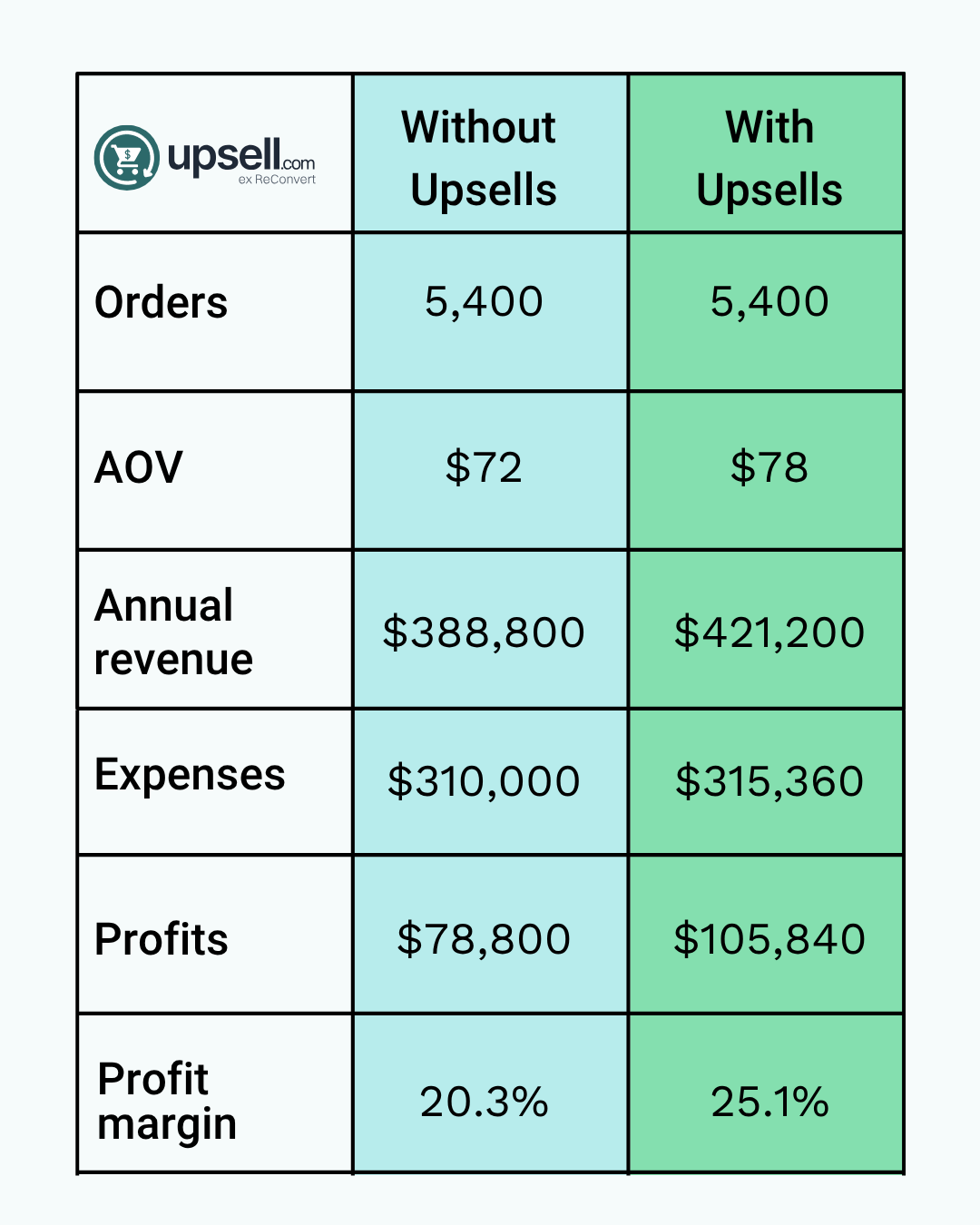
If you want to improve average order value, you do not need to upsell everywhere.
You just need to upsell where intent is highest.
Here are the five spots that consistently generate the best upsell opportunities in ecommerce:

Product page upsells are best for upgrades and premium versions.
Examples:
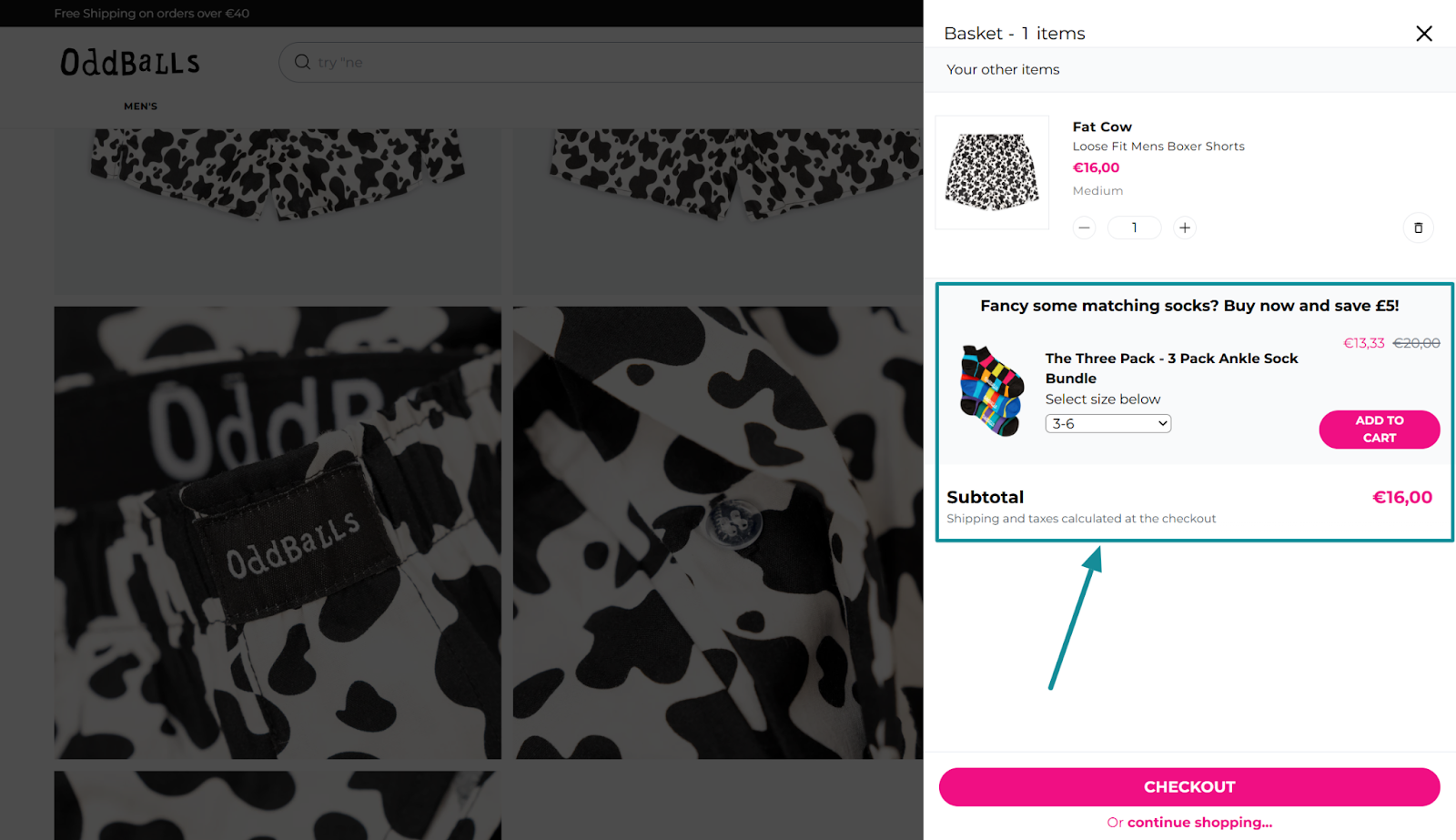
Cart upsells are best for add-ons and “complete the set” offers.
Examples:
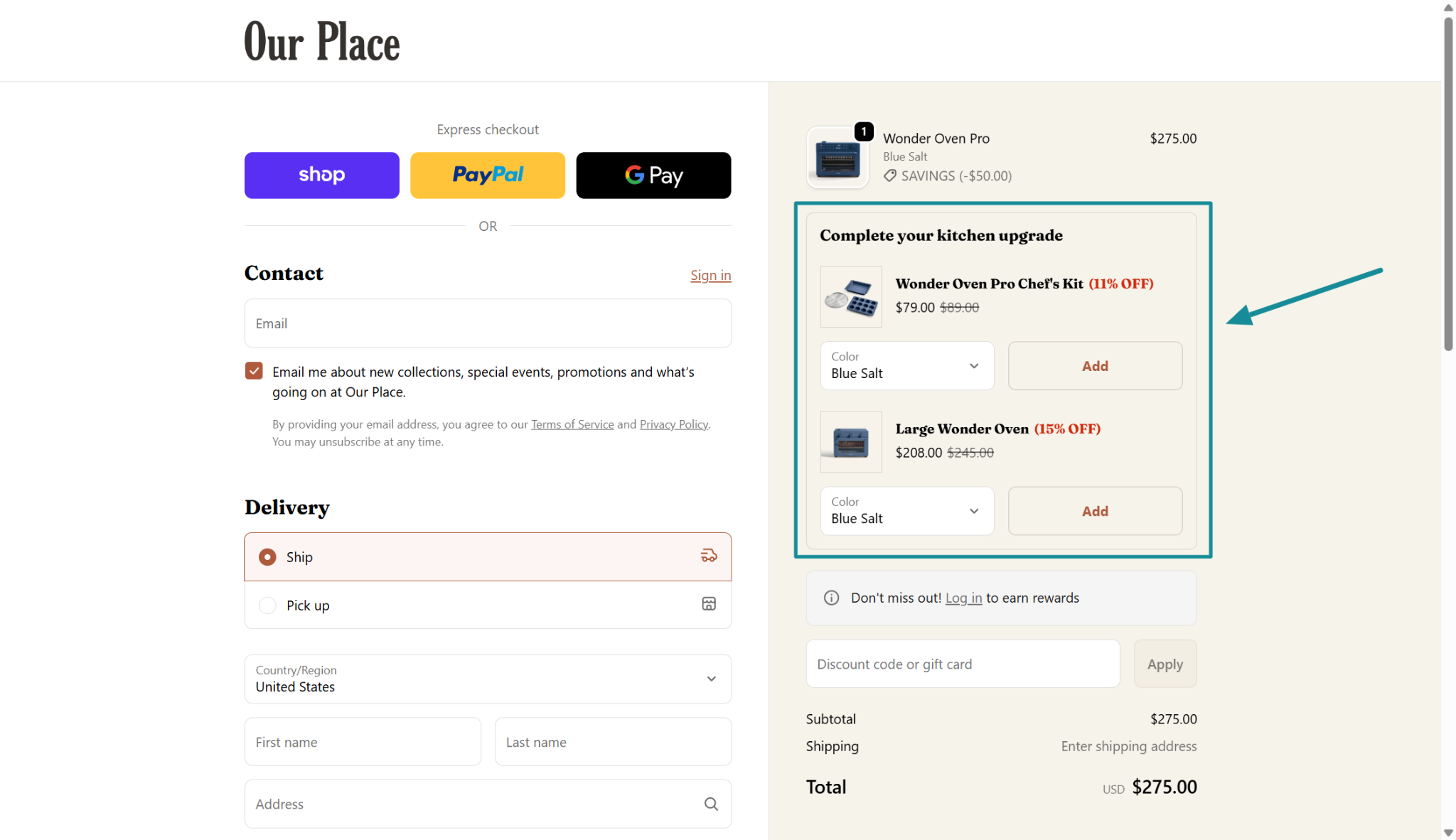
Checkout upsells are best for trust builders and last-minute upgrades.
Examples:
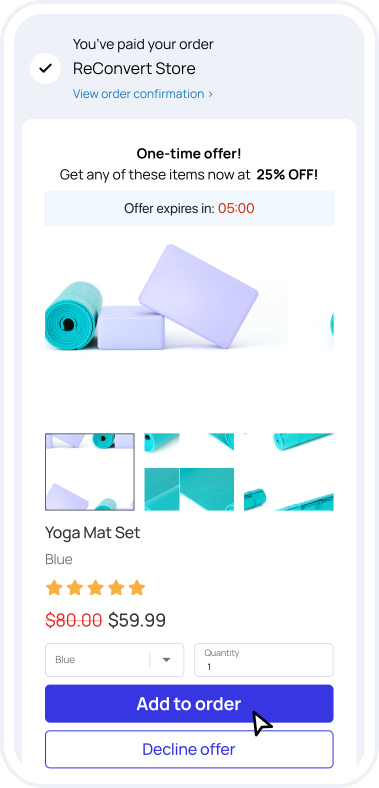
Post-purchase upsells are where upsells often convert the highest.
Why?
Because the customer has already purchased, and you are no longer risking conversion rate.
Examples:
Best for repeat purchases, subscriptions, customer birthday upsells, and replenishment.
Examples:
Upsell opportunities are not rare.
They’re everywhere.
And the Shopify stores that win are not the ones with the most products.
They’re the ones that know:
Next, we’ll break down how to spot upsell opportunities using a simple framework you can apply to your store in under 30 minutes.
Most upsells fail for one simple reason:
They’re based on guesses.
Someone says, “Let’s add a bundle,” or “Let’s offer a premium version,” and hopes it works.
That’s not a strategy.
The stores that consistently increase AOV use a different approach, they identify upsell opportunities from customer behavior and product data, then build offers around what shoppers already want.
Here’s the method.
Think of each signal as a “green light.”
The more green lights a product or offer has, the more likely it is to convert.
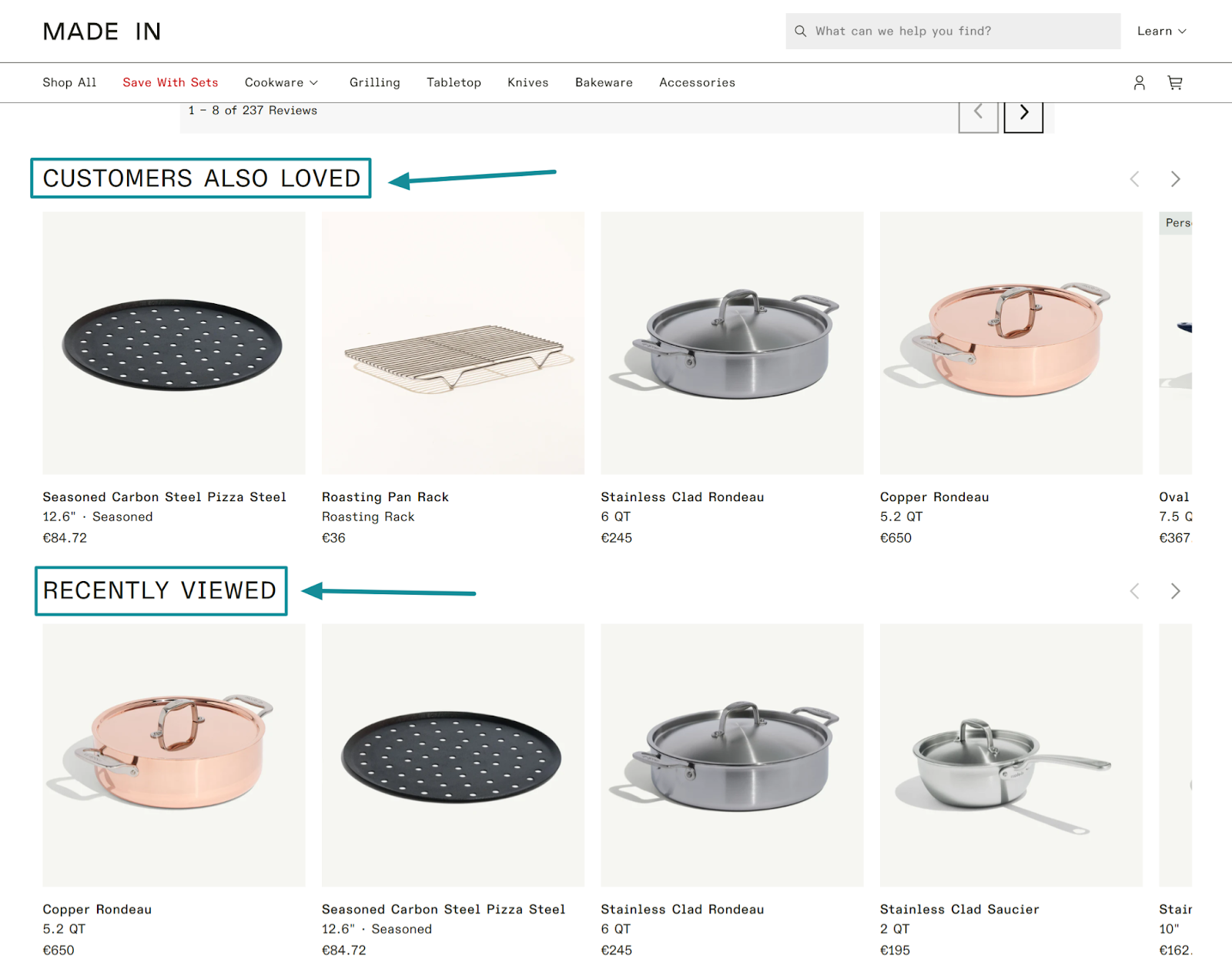
If a product sells frequently, it automatically creates upsell opportunities.
Why?
Because it’s already proven demand.
Look for:
Best upsell angles for best sellers:
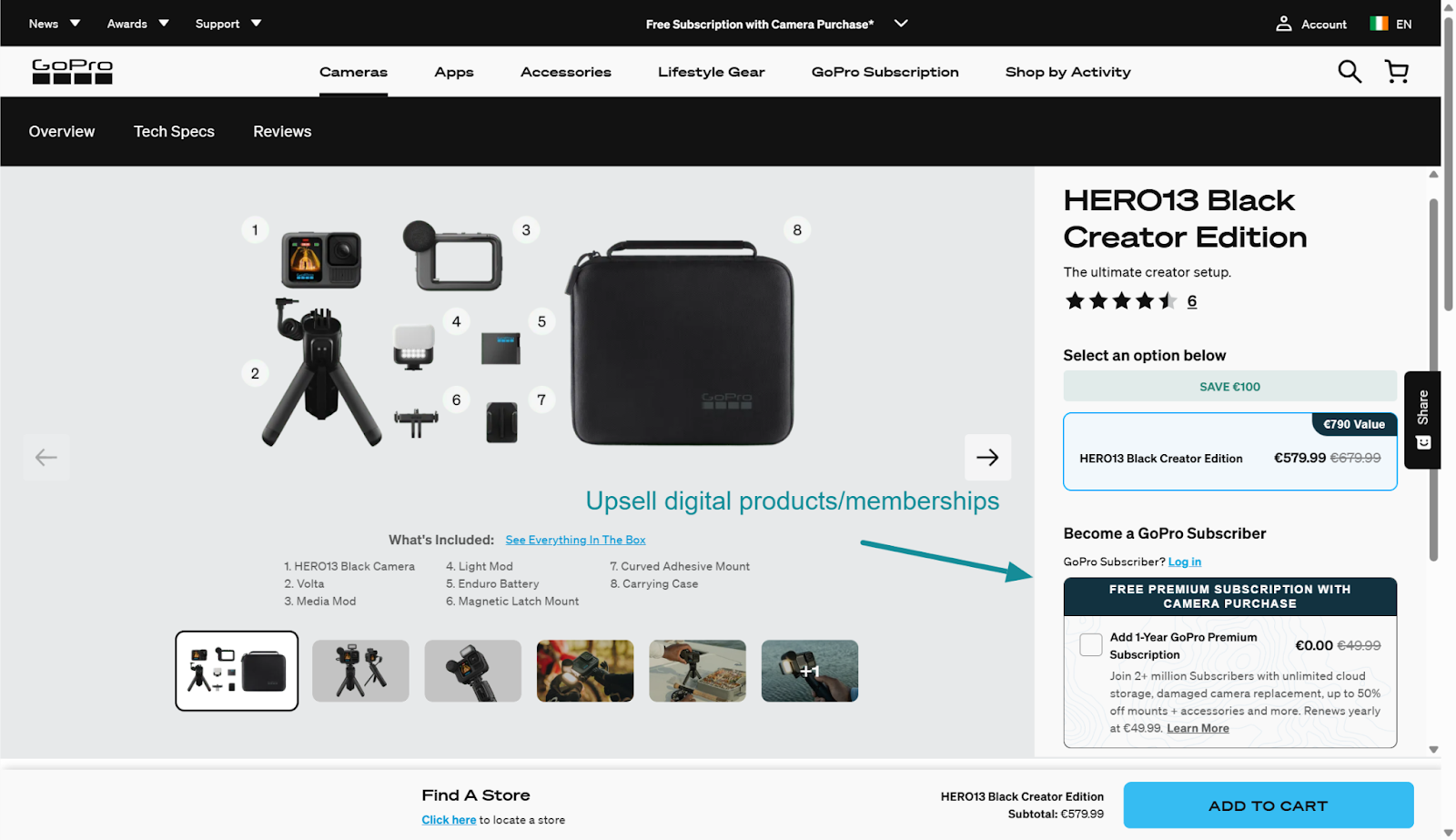
Some products are built for upsells.
They have a clear “better” option.
Examples:
If customers can clearly see the upgrade benefit, conversion becomes easy.
Quick test:
If you can explain the upgrade in one sentence, it’s upsell-friendly.
Example:
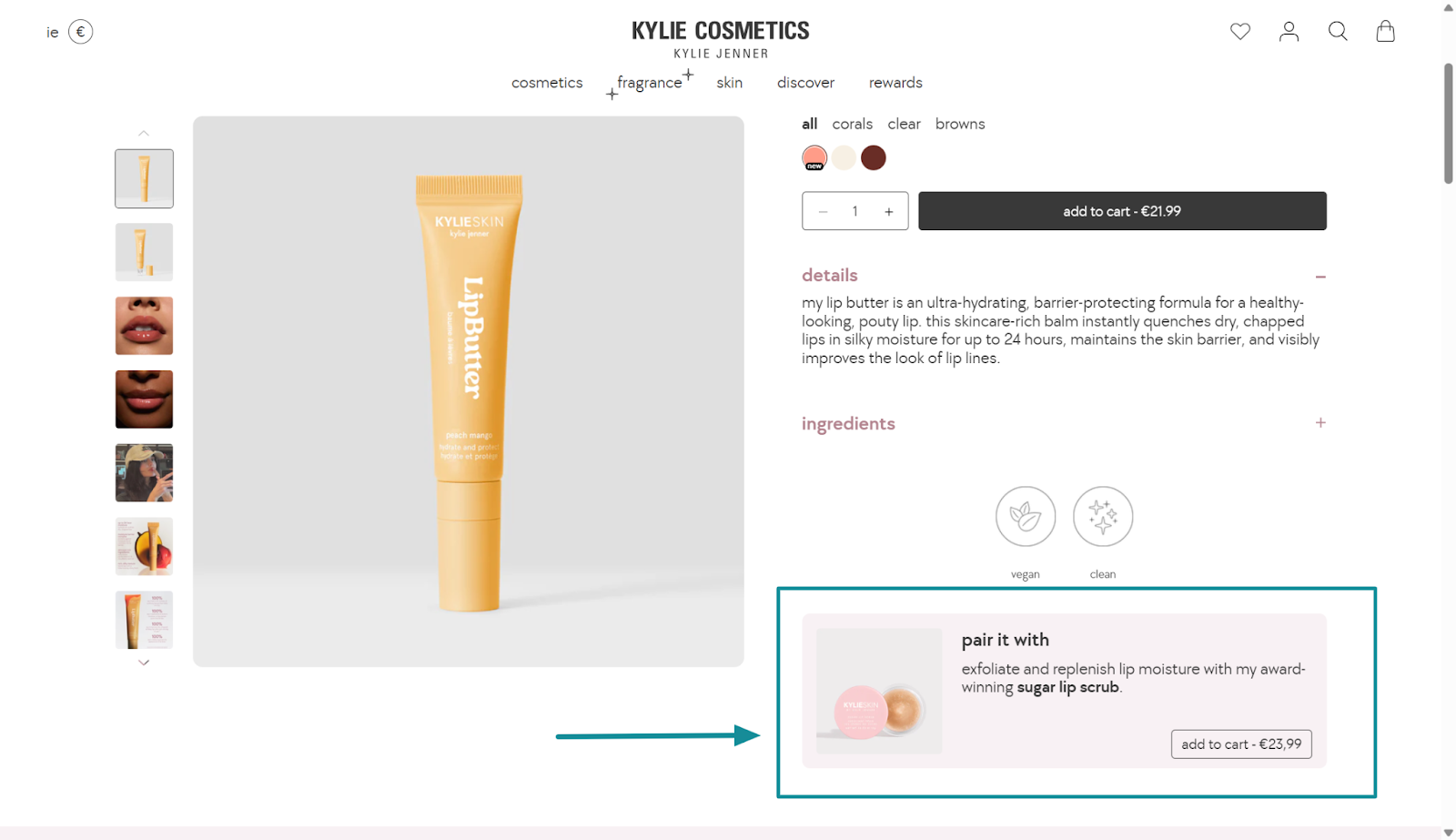
This is where cross-sell meets upsell.
If customers often buy two items together, that is an instant opportunity for:
Where to find this:
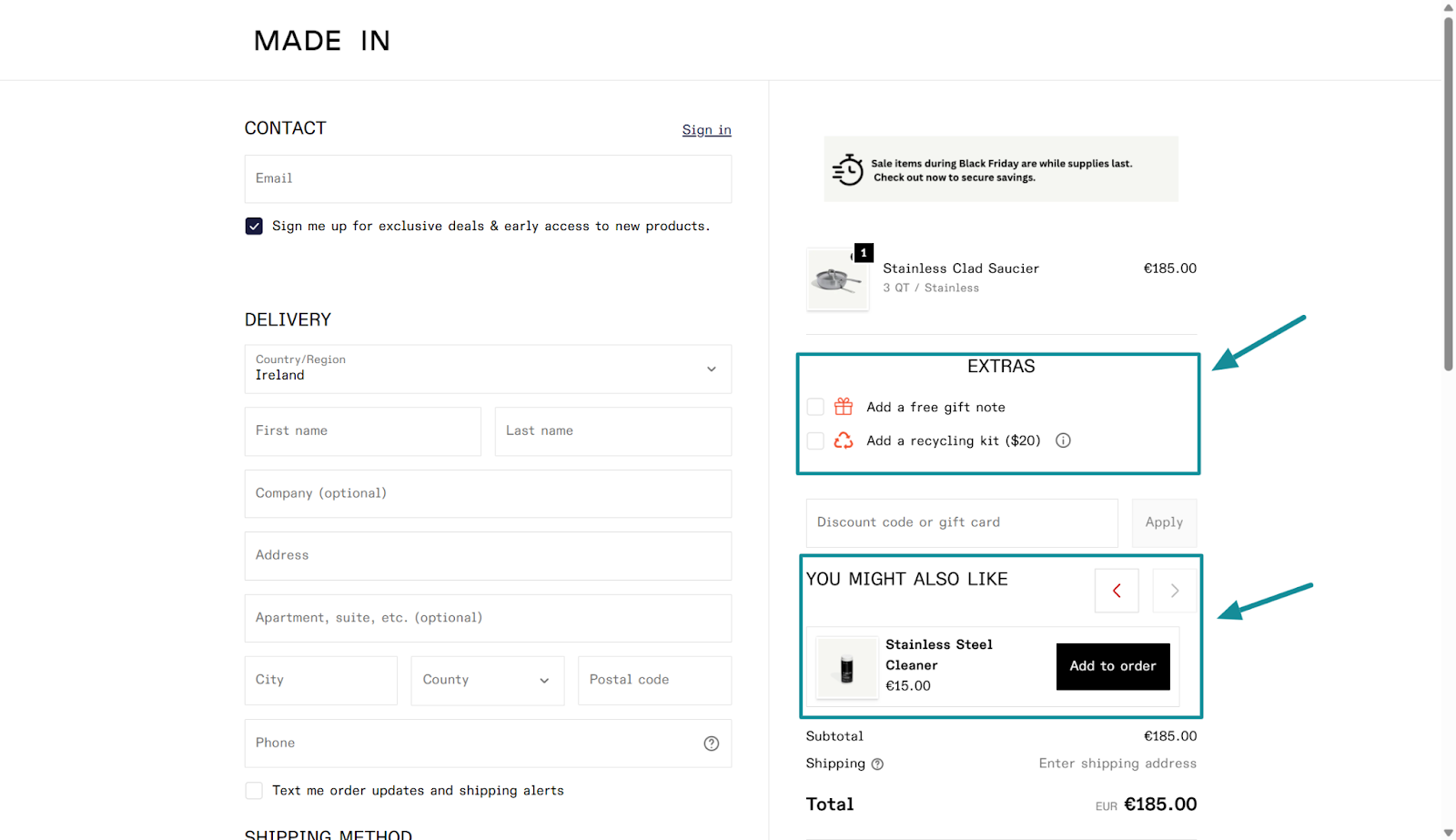
Some upsell opportunities are small, but extremely profitable.
These are the best types of upsells because they:
Look for:
Rule of thumb:
If the add-on costs you little but improves the customer experience, it’s an ideal upsell.

This is where upsells become “helpful,” instead of salesy.
Every product has friction:
Upsell opportunities often exist inside those objections.
Examples:
Want the fastest way to find objections?
Read:
That’s your upsell roadmap.
This is the most overlooked data source.
But it’s gold.
Because it tells you what shoppers were willing to buy, but didn’t.
Look at:
Then build upsells around micro-commitments.
Example:
This is how you increase upsell opportunities without pushing discounts.
Identifying upsell opportunities is step one.
But the goal is to turn them into offers that actually convert.
Here’s a simple process you can follow every time:
Choose one:
Do not mix multiple types at once.
Start where intent is highest:
Your upsell offer should answer:
“Why should I add this?”
Not:
“Add this now.”
But:
Before you build any offer, check these boxes:
✅ Highly relevant to what’s already in the cart
✅ Adds clear value (not just more stuff)
✅ Low friction to accept (ideally one click)
✅ Fits the customer moment (timing matters)
✅ Does not clutter checkout
✅ Easy to fulfill and support
If you can hit 4+ of these, you’ve found a real upsell opportunity.
Upsell opportunities are not random.
They leave clues.
And once you know what to look for, you can spot them everywhere in your Shopify data.
Next, we’ll cover how to combine upsell and cross-sell opportunities the right way, without hurting conversion rate.
Upsells and cross-sells are like peanut butter and jelly.
They’re powerful together.
But if you overdo it, you ruin the whole experience.
Because here’s what most Shopify stores get wrong:
They treat upsells and cross-sells like “more offers = more money.”
Upsell.com helps you increase AOV with targeted offers across the full shopping journey, from product and cart to checkout, post purchase, and beyond.
In reality, more offers often means more confusion, and confusion kills conversions.
The goal is not to show customers everything they could buy.
The goal is to show them one more thing they actually want.
Encourage a customer to buy a higher-value version of what they’re already getting.
Example: “Upgrade to the premium set” or “Get the larger size.”
Recommend a complementary product that enhances the original purchase.
Example: “Add the travel case” or “Pair it with refills.”
Quick rule: Upsells increase the value of the same purchase, cross-sells complete it.
Upsells work best when there’s a clear “better option.”
This happens when:
Best placements for upsells:
Cross-sells work best when they make the purchase feel complete.
They win when:
Best placements for cross-sells:
If you want to increase AOV without hurting conversion rate, follow this rule:
Show ONE main offer at a time.
Not:
That’s a conversion killer.
Instead, choose:
This keeps the conversion funnel clean and keeps customers moving forward. Thata said, while one offer is a good way to start, it's far from optmimized. Soonce you gain confidence with one offer, it's time to experiment with your second offer. Enter, the cross-sell.
Here’s the best order of operations for Shopify stores:
Because it increases the value of the exact thing they already want.
Because once the customer commits, they’re more open to completing the purchase.
This is why post-purchase is such a high-performing zone.
You can sequence offers without cluttering the checkout.
Example flow:
Example offer:
Example offer:
Example offer:
Example offer:
If your offers are not converting, you’re probably doing one of these:
Upsells should feel like:
“Yes, that makes sense.”
Not:
“Wait, why are you showing me this?”
Upsell opportunities increase AOV because they build on intent.
Cross-sell opportunities increase AOV because they complete the purchase.
Use both, but do it in a way that protects conversion rate:
Next up: the section everyone wants, how to increase upsell opportunities without sounding pushy or annoying.
If you want more upsell opportunities, you don’t need to “sell harder.”
You need to make the next best option feel natural.
Because the best upsells don’t feel like upsells.
They feel like:
“Oh yeah… that actually makes sense.”
Here’s the playbook Shopify stores use to increase AOV without annoying customers or tanking conversion rate.
{{cool-component="/style"}}
Upsell opportunities explode when you show the offer at the right time.
Here are the top moments ranked by intent:
If you’re not sure where to begin, start post-purchase.
Because you get the AOV lift without risking checkout friction.
Every high-converting upsell leans on at least one of these triggers:
Make it easier or faster.
Make it financially obvious.
Reduce doubt and increase confidence.
Quick rule:
If your upsell doesn’t clearly communicate one of these triggers, it will feel random.
This is one of the simplest ways to improve average order value.
Instead of asking people to “buy more,” frame the upsell as the smarter version.
Use copy like:
And if you can, add light social proof:
Here’s a psychological truth:
A $12 upsell feels expensive if it’s presented alone.
But a $12 upsell feels tiny next to a $78 cart.
That’s why price anchoring matters.
Tactics that work:
This is one of the easiest ways to increase AOV in ecommerce.
Create a reason for customers to add just a little more.
Examples:
But here’s the key:
Your threshold upsell must feel relevant.
If the customer has skincare in their cart, do not recommend a random hat just to hit free shipping.
Instead, recommend:
You don’t need AI magic.
You just need “offer matching.”
Meaning:
Simple personalization examples:
This makes upsells feel helpful, not pushy.
This is why post-purchase upsells convert so well.
Because the customer does not need to:
It’s one click.
That’s how you increase upsell opportunities at scale.
If your upsell requires a full checkout restart, you are losing a huge percentage of potential AOV lift.
Discounts can work.
But if every upsell depends on a discount, you train customers to wait.
Instead, focus on value-based upsells:
Use discounts as a kicker, not the whole reason.
Before you publish any upsell, ask:
✅ Is it relevant to what they’re buying right now?
✅ Is the benefit obvious in under 3 seconds?
✅ Does it save time, money, or uncertainty?
✅ Is the offer easy to accept (ideally one click)?
✅ Does it appear at the right moment?
✅ Would you accept it if you were the customer?
If yes, you’re not being pushy.
You’re being helpful.
To increase upsell opportunities, focus on:
Do that, and you’ll improve average order value without touching traffic, ad spend, or conversion rate.
If you’re serious about increasing upsell opportunities, the biggest win is consistency.
Because once you find what works, you don’t want to rebuild offers, swap products, or manually test every placement every week.
That’s where upsell.com comes in, it helps you turn the playbook you just learned into an automated system. You can launch relevant upsells across high-intent moments (cart, checkout, post-purchase, and retention flows), personalize offers based on what shoppers are buying, and track the AOV lift from every offer.
So instead of “trying upsells,” you’re running a repeatable AOV engine, refined to support over 40,000 merchnats.
Upsell opportunities aren’t some “advanced growth tactic” reserved for massive Shopify brands.
They’re already built into your store.
Every time someone adds an item to cart, hesitates at checkout, buys a best-seller, or comes back for a second order, there’s a moment where they’re open to buying more.
The stores that win are not the ones with the most products.
They’re the ones that consistently capture those moments.
Here’s the system in one simple loop:
If you want to take the playbook from this post and run it consistently, that’s what upsell.com is built for, turning high-intent moments into higher-value orders with automated, relevant upsells across your store.
The best part?
You don’t need to overhaul your store.
Pick one product, one offer, and one placement, start with post-purchase, and improve from there.
That’s how you turn upsell opportunities into a repeatable growth engine.
{{cool-component="/style"}}
MarketingYou don’t need a huge budget to get your business or brand noticed. Our online marketing ideas for small businesses are designed to maximize ROI.
 Marketing
Personalizing your buyers journey is a fantastic way to boost conversions. Discover 6 simple ecommerce personalization tactics to try today.
 Product
ReConvert has officially become Upsell.com. Here’s what’s changed, what stays the same, and what this means for your Shopify store.
Get eCommerce insights that convert
One email a month, practical strategies on conversion, AOV, retention, and customer experience.