 Marketing
eCommerce Personalization: 6 Simple Strategies to Skyrocket Conversions
Personalizing your buyers journey is a fantastic way to boost conversions. Discover 6 simple ecommerce personalization tactics to try today.
1 min read
Your website is like your shop window when you run an online store. eCommerce SEO means making that window bright, friendly, and easy to find on search engines like Google.
It's a continuous process of tuning your website so that when people search for products you sell, your site appears at the top of the search results. A key part of SEO is eCommerce link building. This involves getting reputable sites to add links to your website.
Unless you’re selling something completely original to a very niche market, you typically have a lot of online competition. Every day, thousands of eCommerce sites fight for attention. If your website does not rank well, you can miss out on free visits that turn into sales and loyal customers.
One of the best ways to boost your SEO is with an eCommerce link building strategy.
These links are like votes of confidence. When trusted sites link to you, search engines see your site as a safe and helpful place.
The more trust votes you earn, the higher your website pages rank. That’s why long-lasting brands make link building a core part of their strategy. Higher search rankings mean a better chance of winning new customers for life.
Today, we will show you how to build these links and why they matter.
Link building is the process of getting other websites to add hyperlinks (or backlinks) that point to your site. Think of it as getting a friend to say, “I trust this shop.” When high-authority sites link to you, it tells search engine algorithms that your site is helpful and safe.
Backlinks help search engines decide which sites to show first.
A study by Backlinko found that Google prefers pages linked by many different websites. So, the more sites link to your page, the better your chances of ranking first. In fact, the top results on Google usually have almost 4 times more external links than the other top 10 pages.

Here’s what this means for you and eCommerce: Ahrefs did some research that found that ranking first without backlinks is possible if you’re in a low-competition niche (like a Neil Young page with song lyrics). But it’s nearly impossible to rank high on the first page without backlinks for high-competition keywords.
Since most micro-niches in eCommerce are super competitive, link building is a crucial strategy. It can help you:
In 2026, the practice of link building and SEO is changing fast. New tools and technical advancements can help eCommerce businesses stay ahead.
Let’s see what trends are shaping link building this year.
Artificial intelligence (AI) and machine learning (ML) are now key parts of SEO. Using AI and ML makes your link building faster and smarter:
Today, having a few high-quality backlinks can be much more rewarding than having many low-quality ones.
Recent updates from Google show that quality matters a lot. Backlinko did a few studies and found that high-quality links help your site rank better. On the other hand, links from low-authority websites do not have the same effect.
There’s also the case of user intent. This is all about what the person searching really wants. The goal of search engines like Google is to answer this intent.
When a user types a query, the engine looks at many signals to decide which page best answers the question. One of these signals is the quality of links pointing to a page. If the links come from sites that deal with the same topic, it tells the search engine that your content is read-worthy.
This is why there’s a strong connection between user intent and link-worthy content from relevant sites. The stronger the connection, the higher your pages can rank.

User experience also plays a significant role. Pages that are easy to use, fast, and clear keep visitors happy. When visitors enjoy a page, they are more likely to click on it and stay longer.
This behavior is like a thumbs-up in front of Google. As a result, this pushes that page higher in the search results. The higher your pages rank, the likelier high-authority sites link back to them. This results in a compounding effect, making ranking on the first page easier.
These trends mean you should focus on building strong links from trusted, related sites.
That said, keep in mind that search intent is relative.
If you’re selling products for various needs, then it’s a good idea to rank for all those needs. To do so, you need relevant backlinks to as many pages as possible.
For example, Henry Meds sells supplements like semaglutide. To grow their online store, they can use smart link building strategies. Many people today are looking for ways to manage their weight and stay healthy. Getting quality backlinks from trusted health websites can help Henry Meds show up more often in search results and bring in visitors interested in their products.
They can also use helpful content to attract more backlinks. For instance, articles that teach people about topics like semaglutide and alcohol or safe ways to use supplements can get links naturally. This type of content builds trust and shows that Henry Meds knows their stuff.
Using these link building methods, companies like Henry Meds can become easier to find online. This improves their site's authority and attracts more customers.
Now that we know why link building is key, here are some eCommerce link building tactics you can use to boost your eCommerce SEO.
Guest blogging is when you write a post for another website in your field. In return, that site links back to you.
Best Practices:
There are many benefits, especially when collaborating with sites with a high-authority ranking:
Public relations (PR) is a great way to earn links. You can present your brand and products to journalists or bloggers. As a result, they can feature you online in articles and gift guides.
Services like Qwoted connect brands with media outlets, including writers working with some of the top blogs in your niche.

Here’s how to get started:
This technique not only increases link building but also builds brand awareness and trust. It can also shortcut the way to start a relationship with journalists and other blogs.
Collaboration is an essential strategy for generating links. By forming relationships with manufacturers and suppliers, you create strategic alliances that will support both parties.
For example, if you sell building tools, you could team up with a company that builds metal garages. This helps you both show up in search results about home improvements. It also connects you with other construction-related businesses.
Here’s how to use these relationships for link building:
This method builds a natural and beneficial link profile for your eCommerce site.
User-generated content (UGC), like product reviews, can build a lot of trust, especially when customers share them on social media. This social proof generates new traffic, which brings potential customers and journalists to your site. It’s a great way to create a ton of backlinks.
Here’s how to make the most of UGC:
Positive reviews and UGC can help you earn natural links and boost your search engine rankings.
Plus, with so much competition in most eCommerce niches, the more social proof you earn, the better. It means more referrals, customers, and revenue you can spend on scaling or new products.
You can also use webinars and events for link building, not just for educating your audience.
For example, you can:
Upsell.com helps you increase AOV with targeted offers across the full shopping journey, from product and cart to checkout, post purchase, and beyond.
You can use social media to get a lot of traffic. It takes work, but you’ll get free organic traffic and brand exposure. You can also leverage it to test new offers before running ad campaigns and collaborate with influencers.
Here are some key tactics you can use to acquire links from social media:
Now, there’s a massive difference between doing a bit of social media marketing and doing something that goes viral.
Here’s an example from 2019. William Painter Inc. launched an ad that they also shared organically on Facebook, YouTube, and Instagram. Even though it’s been a few years, you can learn and apply its model to your brand.

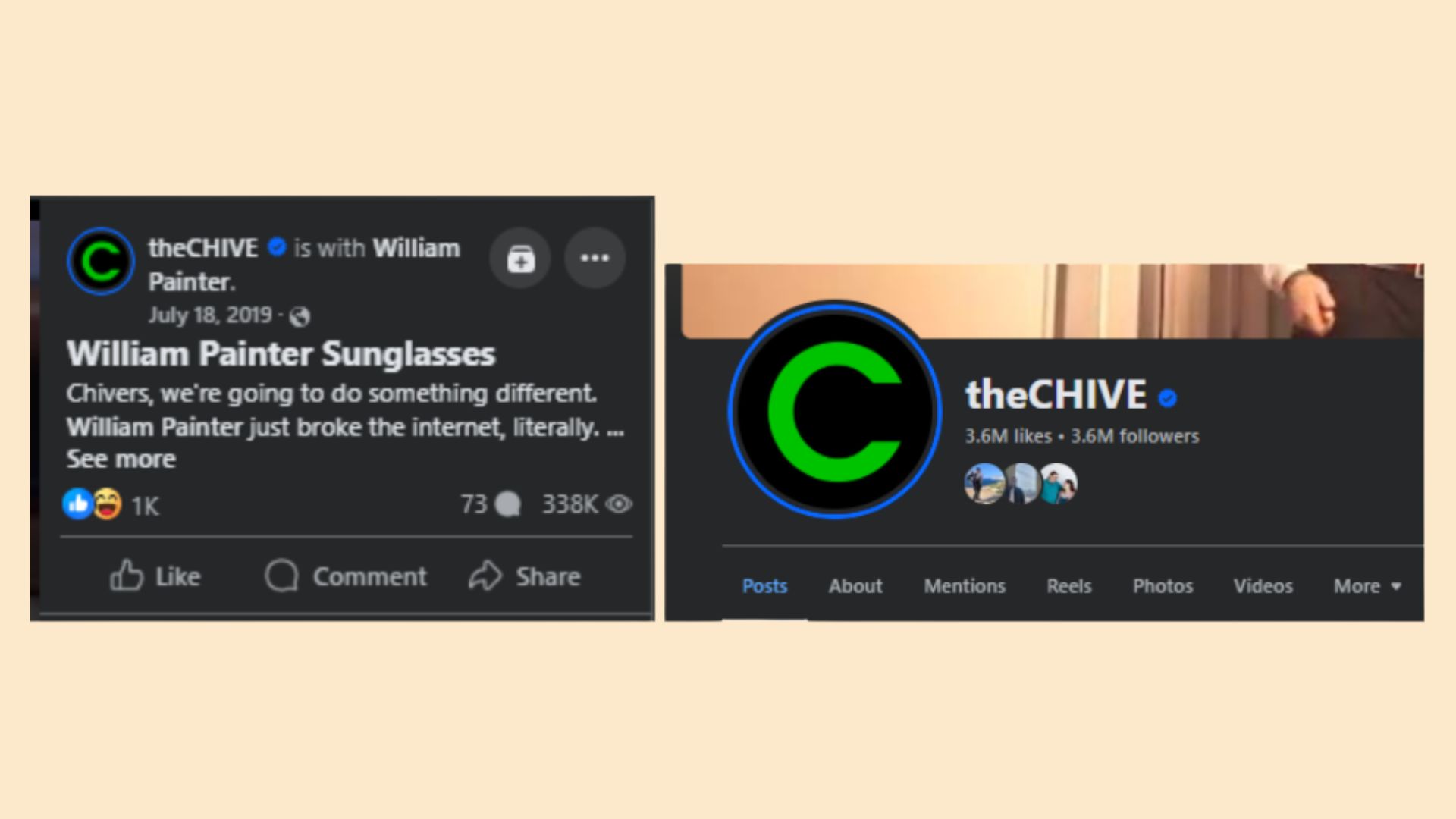
This ad got 43 million views in 3 months. It’s funny, punchy, and totally different from basically any sunglasses maker during that time. As a result, influencers and pages like theCHIVE, which has 3.6 million followers, started sharing the ad with backlinks.
Over 338,000 people saw theCHIVE’s post about the brand. This led to a lot more traffic to both the ad and William Painter’s website.
Create linkable assets that improve your online presence while attracting backlinks.
Some examples include:
You can promote these linkable assets to your own audience on social media. Even better, tap into all your channels. Share them in your email marketing, offer discounts or gift cards, and share your studies in niche-related groups.
For example, RedCowMedia worked with PLouise Cosmetics on both organic and paid social advertising. They created content like the below from TikTok to drive a 46% increase in organic traffic, leading to an additional 232% increase in pure organic revenue. That was in just 4 months.

These campaigns also managed to ethically steal primary keywords from top competitors like Mac and L’Oreal. This allowed PLouise Cosmetics to acquire more quality backlinks.

One clever tactic for eCommerce link building is to find broken links on other sites. Here’s how to do it:

This method turns lost opportunities into valuable backlinks, giving your site an edge over competitors.
To know if your link building is working, you must track your progress. Regular checks help you see what works and fix what does not.
Here are some tools to help you track your backlinks:
Ahrefs: This is an SEO platform with a ton of features. It includes tools that let you see new and lost backlinks, check link quality, and review anchor texts. You can also use it to find broken internal links.

SEMrush: This tool finds bad links, tracks changes, and compares your link profile with others.

Moz Pro: Helps you check your domain authority and spam score to judge link quality.

Ubersuggest: This is Neil Patel’s tool. Its many link-related features include finding bad links, tracking your backlink profile, and showing you opportunities you can win from your competitors.

While building your backlink profile is exciting, don’t forget to run regular link audits. These will help you spot problems such as:
Finally, keep in mind that what works for others (including those in your niche) may not be the best for you. So, make sure to adapt your strategies based on your performance metrics.
The goal is to find out what works, fix what doesn’t, and keep learning new SEO trends. SEO changes fast, so winning means staying ahead of the game.
Here are some metrics that can help you see your progress:
In 2026, having a strong backlink profile is extremely effective for eCommerce SEO. Typically, niches in this industry face a lot of competition.
Backlinks help you stand out by acting like recommendations from trusted sites. They tell search engines like Google that your website is helpful, safe, and matches what people are searching for.
There are several approaches you can use to build an effective eCommerce link building strategy. From guest posts and PR outreach to UGC and social media. Share any studies your brand creates, and remember to be human.
You’re building relationships with influencers, journalists, and your audience. The more unique and trustworthy your content is, the easier it is for others to link back to it.
You can also leverage your link building strategy for brand awareness, sales, and paid campaigns. With patience and the right approach, even small eCommerce businesses can see tremendous growth over time.
Finally, don’t forget that quality is more important than quantity. Focus on high-quality backlinks from trusted sites. Stay on top of trends like AI and machine learning and adjust your strategy with real data.
And the easiest way to stay on top of the latest trends and strategies? Our blog, of course! Search our database and stay tuned for all you need to know about eCommerce and digital marketing.
Let's quickly cover some of themost commonly asked questions related to eCommerce link building.
Ecommerce link building is the process of acquiring backlinks from other websites to your online store. These links help increase your site’s authority, improve search engine rankings, and drive referral traffic, ultimately boosting sales.
To build backlinks for eCommerce, focus on strategies like guest posting, influencer collaborations, digital PR, product reviews, broken link building, and creating link-worthy content such as buying guides or comparison articles.
To generate 100 backlinks fast, scale outreach by using email templates, automate prospecting with tools like Ahrefs or Pitchbox, offer exclusive deals to bloggers for product mentions, leverage HARO (Help a Reporter Out), and repurpose high-performing content into different formats for syndication.
Yes, link building remains one of the top SEO ranking factors. High-quality backlinks signal authority and trust to search engines, helping your pages rank higher and attract more organic traffic.
MarketingPersonalizing your buyers journey is a fantastic way to boost conversions. Discover 6 simple ecommerce personalization tactics to try today.
 Marketing
eCommerce marketing automation allows you to free up time, provide a better experience, and ultimately, make more sales. Discover 10 simple, but proven eCommerce marketing automation examples you can implement to take your store to the next level.
 Marketing
You don’t need a huge budget to get your business or brand noticed. Our online marketing ideas for small businesses are designed to maximize ROI.
Get eCommerce insights that convert
One email a month, practical strategies on conversion, AOV, retention, and customer experience.