 Marketing
eCommerce Personalization: 6 Simple Strategies to Skyrocket Conversions
Personalizing your buyers journey is a fantastic way to boost conversions. Discover 6 simple ecommerce personalization tactics to try today.
In the world of eCommerce, returns are an inevitable part of the business. While they may seem like a loss, smart retailers understand that effectively managing returns can actually lead to customer satisfaction and increased sales. In fact, A study from UPS revealed that 73% of shoppers say the returns experience influences how likely they are to buy again.
So in this blog post, we will explore the best practices to minimize losses associated with eCommerce returns. By implementing these strategies, you can streamline your returns management process, reduce unnecessary costs, and improve customer experience. Let's dive in!
eCommerce returns have become a significant aspect of the online retail landscape, especially in the last few years. With digital advances and the COVID-19 pandemic driving a surge in online shopping, return rates have also seen a notable increase.
According to Statista, the overall retail rate for online and in-store purchases is 10.6% in the US. That means for roughly every ten sales you make, one of them will be sent back.
However according to other industry reports, return rates for eCommerce purchases can be as high as around 30%, compared to 8-10% for brick-and-mortar stores. This trend has only continued as consumers embrace the convenience of online shopping.

Calculating the return rate is a fundamental step in assessing the performance of your eCommerce business and understanding customer behavior. The return rate represents the percentage of products that are returned by customers compared to the total number of products sold. To calculate the return rate, follow these simple steps:
Calculating the return rate in eCommerce provides valuable insights into customer behavior and the effectiveness of your business operations. By regularly monitoring and analyzing this metric, you can make data-driven decisions to optimize your product offerings, customer experience, and operational efficiency.

As an eCommerce merchant, understanding the impact of returns on your business is crucial for managing operations effectively. While returns are an inevitable part of online retail, they can have both positive and negative implications. In this section, we'll explore the impact of eCommerce returns on merchants like yourself.
Understanding the impact of eCommerce returns on your business allows you to implement strategies that mitigate negative effects while capitalizing on the positive aspects. By prioritizing customer satisfaction, optimizing operations, and leveraging data, you can turn returns into an opportunity for growth and improvement within your eCommerce business.

To handle eCommerce returns efficiently and minimize any associated losses, retailers can adopt various strategies that optimize their processes and enhance customer satisfaction.
Data analytics plays a crucial role in effective returns management for eCommerce businesses.
By studying return data (along with other inventory management metrics like weeks of supply), retailers can gain valuable insights into the reasons behind returns, identify patterns or trends, and make data-driven decisions. With the help of advanced analytics tools, retailers can determine which products or categories have the highest return rates, allowing them to focus on improving those areas.
Additionally, data analytics can help retailers identify the root causes of returns, whether it's product quality issues, sizing discrepancies, or packaging problems. Armed with this information, retailers can implement targeted strategies to reduce returns, improve customer satisfaction, and improve their overall operations.
Automation is a game-changer when it comes to streamlining the returns process in eCommerce. With the help of advanced software solutions, retailers can automate various aspects of returns management, including return requests, label generation, communication with customers, and inventory updates. By eliminating manual and time-consuming tasks, automation improves efficiency and reduces the chances of errors.
Furthermore, automation enables real-time tracking of return shipments, allowing retailers to proactively manage the returns process and provide timely updates to customers. Overall, automation not only saves time and resources but also enhances the customer experience by providing a seamless and hassle-free returns process.
Returns can be costly for eCommerce businesses, but there are strategies to help reduce those costs.
One approach is to establish a restocking fee or a return shipping fee to offset some of the expenses associated with returns. Retailers can also implement thorough quality control measures to reduce the number of returns caused by product defects or inaccuracies. Another cost-saving strategy is to leverage partnerships with third-party logistics providers to negotiate favorable shipping rates for return shipments.
Upsell.com helps you increase AOV with targeted offers across the full shopping journey, from product and cart to checkout, post purchase, and beyond.
Additionally, optimizing the packaging process to reduce the risk of damage during transit can help lower return-related costs. By implementing these cost-saving strategies, retailers can minimize the financial impact of returns and improve their bottom line.
Effective communication is paramount when it comes to returns handling in eCommerce. Retailers should ensure that their return policy is clearly communicated and easily accessible on their website.
This policy should outline the steps and requirements for initiating a return, as well as any associated fees or restocking charges. Prompt and clear communication with customers throughout the returns process is crucial to managing expectations and providing a positive experience.
Regular updates on return status, refund processing, or exchange progress help build trust and transparency. By prioritizing effective communication, retailers can minimize confusion, prevent potential disputes, and enhance customer satisfaction during the returns process.
Sustainability is an increasingly important aspect of returns management in eCommerce. Retailers can take steps to build a more sustainable returns process by encouraging customers to consolidate returns into a single shipment to minimize carbon emissions from transportation. Implementing a recycling program for returned products or packaging materials can also contribute to a greener and more eco-friendly approach.
Additionally, retailers can consider partnering with donation centers or charities to redirect returned items in good condition. By incorporating sustainability into the returns process, eCommerce businesses can reduce their environmental footprint and align with the values of socially conscious consumers.
Reverse logistics refers to the process of managing returned products from the customer back to the retailer. It involves various activities such as receiving, inspecting, sorting, restocking, eCommerce warehousing and disposing of returned items. Optimizing reverse logistics is essential for efficient returns handling. Retailers can implement streamlined processes and systems to track returned items, assess their condition, and determine appropriate actions, whether it's restocking, refurbishing, or disposing of the products.
By efficiently managing reverse logistics, retailers can reduce processing time, minimize costs, and improve overall operational efficiency. This includes having designated areas for returns processing, utilizing barcode scanning or RFID technology for accurate inventory management, and partnering with reliable logistics providers to handle return shipments promptly.
While offering a generous returns policy can attract customers and enhance their shopping experience, it can also increase the risk of fraudulent returns or excessive return rates. Retailers should carefully assess their target market, industry standards, and profit margins to determine an optimal returns policy.
Implementing measures such as return windows, condition requirements, restocking fees, or store credits instead of cash refunds can help strike the right balance. Regularly analyzing return data and monitoring return patterns can provide insights into the effectiveness of the returns policy and allow adjustments to be made accordingly.
By finding the right balance, retailers can mitigate losses while still providing a positive and customer-friendly returns experience.

Prevention is always better than dealing with returns after the fact. Retailers can implement various strategies to proactively reduce the occurrence of returns.
One effective approach is to provide comprehensive product information, including accurate descriptions, detailed specifications, and size guides. By giving customers all the necessary details upfront, they can make more informed purchasing decisions and select products that meet their expectations.
Another strategy is to enhance the product imagery, using high-quality photos from multiple angles to provide a clear representation of the item. Additionally, retailers can invest in user-generated content such as customer reviews and ratings, which provide social proof and give potential buyers a better understanding of the product's quality and performance.
By focusing on prevention, retailers can minimize return rates and improve customer satisfaction.
For eCommerce businesses operating on an international scale, handling returns can present unique challenges. Cross-border returns involve additional complexities such as customs regulations, shipping costs, and longer transit times. Retailers should invest in understanding the specific requirements and restrictions of each country they operate in, including return policies, duties, and taxes.
Clear and transparent communication with international customers is crucial to ensure they understand the return process and any associated costs. Offering localized returns solutions, such as partnering with local carriers or establishing return centers in key markets, can streamline the returns process and provide a better customer experience.
By addressing the challenges of international returns, retailers can effectively cater to global customers and expand their reach while minimizing losses.

A well-defined and customer-centric return policy is the foundation of minimizing losses. Make sure your return policy is clearly communicated on your website and easily accessible. Clearly outline the timeframe for returns, condition requirements, and any associated fees.
One of the main reasons for returns is a discrepancy between the product received and the customer's expectations. To minimize this, ensure that your product descriptions and images accurately represent the item.
Damaged items are another leading cause of returns. Enhance your packaging by using protective materials, such as bubble wrap or packing peanuts, to ensure the products are well-protected.
Establish a robust quality control process to catch any defects or issues before they reach the customer. Regularly inspect your inventory, conduct spot checks, and test products to ensure they meet your standards.
Train your staff and offer multiple channels of communication, such as live chat, email, and phone, to accommodate various customer queries. By providing excellent support, you can resolve customer issues before they escalate into return requests.
Actively encourage customers to leave feedback and reviews on your website or third-party platforms. Social proof from positive reviews can instil confidence in potential buyers, reducing the likelihood of returns.
Identify patterns, such as specific products or categories with high return rates, and investigate the root causes. This data can help you make informed decisions about product improvements, packaging, customer support, and other areas that impact returns.
Customers may request a return due to minor issues that can be easily resolved. Consider offering alternative solutions, such as exchanges, store credits, or repair services, depending on the nature of the problem.
Stay updated with the latest industry trends, technological advancements, and best practices related to eCommerce returns. By staying informed, you can proactively adapt your strategies to minimize losses and stay ahead of the competition.
Implement retargeting and remarketing campaigns as part of your marketing strategy to re-engage customers who have previously made returns. Tailor your messaging to address their concerns, offer incentives for future purchases, and showcase improvements you've made based on their feedback.
Several options for returns management software are available in the market, each with its unique features and benefits. This specialized software automates and streamlines the entire returns process enabling retailers to track return requests, communicate with customers, generate return labels, and analyze return data for insights.
Some return management software also integrates with other systems like inventory management, providing a comprehensive solution for handling returns effectively.
Another type of software that can be beneficial is customer relationship management (CRM) software. CRM software allows retailers to centralise customer data, track customer interactions, and provide personalized support throughout the returns process. By having a holistic view of each customer's history and preferences, retailers can deliver a more tailored and satisfactory experience, reducing the likelihood of returns and improving customer retention.
If you are not sure about which software best suits your needs, you may want to consider partnering with a fulfilment provider such as James and James Fulfilment. Not only will they handle all the essential aspects of fulfilment and supply chain management but they also have their own specialized order fulfilment software that encompasses all of the different features above on one easy-to-use cloud-based platform!
Ultimately, by implementing these best practices, you can transform eCommerce returns from a potential loss into an opportunity to build customer loyalty, improve brand reputation, and drive long-term success for your online business.
Remember, minimizing losses from eCommerce returns is an ongoing process that requires constant evaluation and adaptation. With a customer-centric approach and a commitment to continuous improvement, you can minimize losses, optimize operations, and create a positive and seamless shopping experience for your customers.
This post was written by James Hyde CEO & Co-founder of James and James Fulfilment. James & James Fulfillment offer online sellers a service that combines super-quick fulfilment, industry-leading customer support, and award-winning technology. Visit their website to learn more about how they can help you better manage your eCommerce returns, delight your customers and grow your business.
MarketingPersonalizing your buyers journey is a fantastic way to boost conversions. Discover 6 simple ecommerce personalization tactics to try today.
 Product
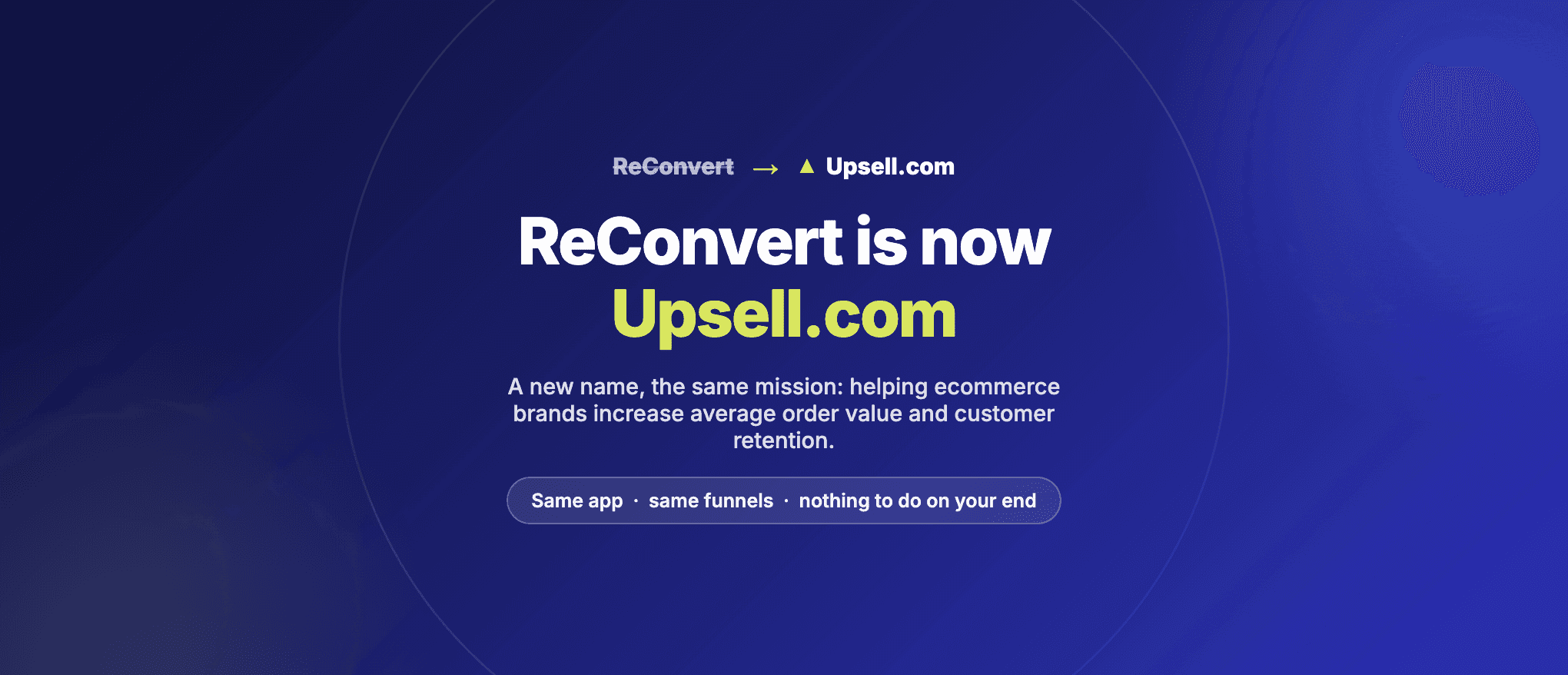
ReConvert has officially become Upsell.com. Here’s what’s changed, what stays the same, and what this means for your Shopify store.
 Marketing
eCommerce marketing automation allows you to free up time, provide a better experience, and ultimately, make more sales. Discover 10 simple, but proven eCommerce marketing automation examples you can implement to take your store to the next level.
Get eCommerce insights that convert
One email a month, practical strategies on conversion, AOV, retention, and customer experience.