 Product
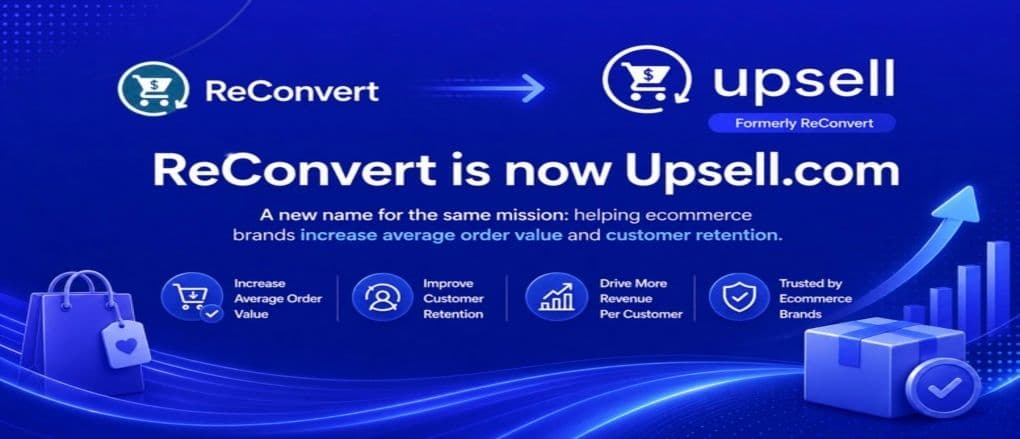
We have rebranded! ReConvert is now Upsell.com
ReConvert has officially become Upsell.com. Here’s what’s changed, what stays the same, and what this means for your Shopify store.
1 min read
Thinking of selling your Shopify store? Smart move.
With buyers pouring into the eCommerce space and valuations climbing, there’s never been a better time to cash out - if you do it right.
In this guide, you'll learn the step-by-step process to sell your store for maximum value.
We’ll cover how to prep your store, price it right, find legit buyers, and close the deal without leaving money on the table.
💡 Shopify stores contributed over $444B to global GDP in 2024. Yours could be part of that - with the right exit strategy.
This isn’t fluff. You’ll get actionable tactics, real examples, and smart alternatives (like passive income models) if you’re not ready to hand over the keys.
Let’s get into it.
{{cool-component="/style"}}
Before you talk numbers or buyers, ask yourself this:
Is now the right time - for you and your business?
Selling a store isn’t just about performance. It’s also about timing, mindset, and long-term goals.
Here’s how to know you’re ready to move on:
If revenue has flatlined and you’re not motivated to grow anymore, that’s a red flag - not for buyers, but for you. Stagnation is one of the clearest signals it might be time to exit.
Buyers want clarity. If your books are a mess, expect offers to reflect that (or worse, no offers at all).
You’re ready to sell if:

Shopify has a solid guide on how to prepare financial statements for your eCommerce business.
Selling your business is a rush. But once the wire hits… then what?
Whether it’s building a new brand, investing, or taking a break - have a plan. Sellers who regret their exit usually didn’t think about what comes next.
This one’s key: the best time to sell is when things are going well.
If traffic, sales, and profits are trending up, buyers will pay a premium. Wait too long — when things dip or you're burned out — and your valuation takes a hit.
Not Sure Yet?
No pressure. You can:
You can’t sell your store if you don’t know what it’s worth.
And no - “I put a lot of work into it” isn’t a valuation method.
Buyers don’t care how long you spent tweaking your homepage or how much you love your logo. They want numbers. Trends. ROI.
Here’s how to get a realistic, data-backed valuation that won’t scare off serious offers.
Most eCommerce stores are valued using this formula:
Annual Net Profit × Valuation Multiple = Store Value

That multiple typically ranges from 2.0x to 4.5x, depending on:
Example: If your store generates $120K in yearly net profit and earns a 3.5x multiple, your valuation is $420K.
Want top dollar? Improve the things buyers care most about:

You don’t need to guess - there are tools to help you get a ballpark valuation instantly.
Here are three worth checking out:
Use these as a starting point - then get a more formal appraisal if you’re serious about selling.
These are the biggest turn-offs for buyers (and deal-killers for brokers):
Clean these up before listing. It’s worth the effort (and the extra money you’ll make).
Want buyers to line up with serious offers? Your store needs to be more than profitable — it needs to be presentable.
Think of it like staging a house. You might have a great property, but if it looks messy or chaotic, offers are going to tank.
Here’s how to make your Shopify store buyer-ready.
Buyers need to trust your numbers - or they walk.
Make sure you have:
Pro Tip: Shopify has a free downloadable financial worksheet template to help you get stared with your store’s numbers.

The less day-to-day involvement you have, the more valuable your store becomes.
Document your processes:
Bonus: Record a short loom or SOP doc showing how things work behind the scenes.
Buyers love consistency and scalability.
Ask yourself:
Are your ad accounts clean, well-managed, and transferable?
If most of your sales come from one TikTok ad, that’s a risk. Diversify if you can.
Buyers will go through your site like a customer would.
Make sure:
Think: Would you want to buy this business?
Buyers want a clean handoff. Make sure you’ve collected:
Create a secure folder with everything in one place. Make their “yes” easy.
Once your store is ready to go, the big question becomes: where do you actually sell it?
Spoiler: Not all selling options are created equal.
Some platforms are packed with serious buyers. Others are full of lowballers, time-wasters, or worse - scammers. Here’s how to pick the right channel based on your goals, speed, and risk tolerance.
Upsell.com helps you increase AOV with targeted offers across the full shopping journey, from product and cart to checkout, post purchase, and beyond.
If you’ve got a strong network (or a buyer comes to you), this can be the fastest and most profitable route.
Pros:
Cons:
Best for: Experienced sellers who know how to structure a deal.
Marketplaces are like Zillow for online businesses — they match sellers with a pool of active buyers.
Top platforms:
Pros:
Cons:
Best for: First-time sellers or anyone looking for broad reach.

Brokers do the heavy lifting — they vet buyers, market your store, handle negotiations, and structure the deal.
Pros:
Cons:
Best for: High-value stores or busy founders who want a white-glove exit.
Aggregators like OpenStore are changing the game. They make direct, fast offers for Shopify stores — often closing in days, not months.
Pros:
Cons:
Best for: Founders who want a fast, clean exit without hassle.
The right choice depends on your goals. Want speed? Go with an aggregator. Want the highest price? Try a marketplace or private sale. Want to stay hands-off? Use a broker.
Getting a solid offer feels amazing. But if you’ve been around the block, you know that offers don’t mean sold - not until the paperwork is signed and the funds hit your account.
This is where many deals fall apart. But with the right prep and mindset, you can close with confidence - and speed.
Buyers don’t want to dig through a mess of screenshots and random Google Docs. They want clarity. That’s why your first move is setting up a clean, well-organized folder — a “data room” — that includes your financials, traffic sources, supplier info, and anything else they’ll need to vet the business.
Pro tip: Include a summary sheet at the top. The easier you make it for them to understand the business, the faster they move.
Once a buyer is serious, you’ll want an LOI in hand. This isn’t legally binding, but it lays out the key deal terms: price, payment structure, due diligence period, and more.
Without one? You’re just casually chatting. With one? You’re in motion.
But don’t hit pause on your outreach or listings just yet. LOIs fall through more often than you'd think - keep your pipeline warm until things are solid.
This is the buyer’s deep dive into your business. They’ll want proof of everything: sales, profit margins, email engagement, supplier relationships, and more.
The secret here? Be responsive. The longer you take to answer questions or send docs, the colder the deal gets. Buyers start to doubt, and momentum dies.
A seller who’s buttoned-up during diligence immediately earns trust — and often closes faster as a result.

This isn’t the time to wing it.
Always use a secure escrow service to handle payment. It protects both sides and makes the process legit. And yes - get a lawyer involved.
A proper Asset Purchase Agreement (APA) ensures there are no loose ends, vague promises, or post-sale surprises.
Even if you’re selling for $50K or $150K, a few hundred bucks in legal fees is cheap insurance.
Once funds are locked and legal is cleared, it’s go time.
Transfer your Shopify store ownership, pass along key logins, hand over your email list, ad accounts, and SOPs. If you’ve prepped everything well, this part should be fast and frictionless.
Most sellers offer a short window of post-sale support - 30 to 60 days - to help the new owner settle in. It’s not mandatory, but it adds confidence (and could even boost the final price during negotiation).
You’ve signed the deal. The money’s in the bank. Your Shopify store is officially someone else’s business.
Now what?
The truth is, post-sale life can hit harder than you expect — especially if you didn’t plan for it. That’s why what you do after the sale matters almost as much as what you did to get there.
It’s normal to feel a mix of relief, excitement… and a weird emptiness.
You’ve probably poured months (or years) into this brand. Don’t be surprised if letting go leaves you feeling adrift - even if the sale was everything you wanted.
That’s why it’s important to move with intention, not reaction. Take a beat. Don’t rush into the next thing unless it feels right.
Some sellers immediately jump into the next project. Others take the win, reinvest the capital, and coast for a while.
There’s no right answer - but there is a right question:
What’s the next move that excites you and plays to your strengths?
Want to build again? Start leaner and smarter. Want to chill? Explore income-generating assets like real estate or angel investing. Either way, make the money you earned work for you.
Even after you hand over the store, your name might still be tied to the brand in customers’ minds. How the new owner runs things reflects (at least a little) on you.
That’s why smart sellers:
It helps maintain your reputation - especially if you plan to stay in the eCom space or sell again in the future.
Maybe you're not quite ready to let go of your brand, but you're very ready to stop running it.
In that case, check out passive income models like OpenStore . Instead of selling outright, you let a team run the store for you - and still collect profits.
It’s the best of both worlds for owners who want to step away, but not cash out completely.
The exit is just a milestone - not the finish line.
When you sell smart, you’re not just getting paid. You’re buying time, freedom, and focus for whatever’s next.
Selling your Shopify store isn’t just a transaction - it’s a transformation.
Done right, it’s a chance to turn all the sweat, late nights, and strategy into real, tangible freedom. Whether you’re moving on to a new business, taking a break, or switching gears entirely, the key is doing it deliberately.
Let’s recap what we covered:
And if you're not quite ready to let go? There are passive income options too, so you can keep earning without running the show.
Bottom line: You’ve got options. Now you’ve got the roadmap. If you found this guide helpful, share it with someone who’s thinking about selling!
{{cool-component="/style"}}
ProductReConvert has officially become Upsell.com. Here’s what’s changed, what stays the same, and what this means for your Shopify store.
 Marketing
Personalizing your buyers journey is a fantastic way to boost conversions. Discover 6 simple ecommerce personalization tactics to try today.
 Marketing
You don’t need a huge budget to get your business or brand noticed. Our online marketing ideas for small businesses are designed to maximize ROI.
Get eCommerce insights that convert
One email a month, practical strategies on conversion, AOV, retention, and customer experience.