 Product
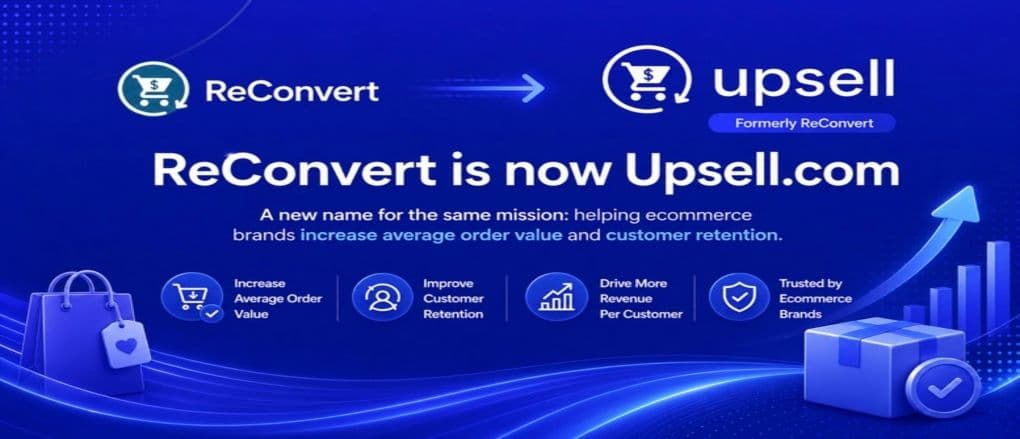
We have rebranded! ReConvert is now Upsell.com
ReConvert has officially become Upsell.com. Here’s what’s changed, what stays the same, and what this means for your Shopify store.
1 min read
Customers are key to the success of your online store. Without them, your new dropshipping business cannot be profitable. And so, whether you’re just starting out or are looking to build on your existing customer base, our top 10 dropshipping best practices are sure to steer you in the right direction.
Dropshipping best practices can be compared to a series of rules and regulations. However, adhering to best practices in the ecommerce world can make or break your business. And following best practices closely is a sure-fire way to get each and every customer to spend more when they visit your store.
So, if you’re ready to create an ecommerce platform that is going to get your customers to convert, here are the best practices you’ll need to succeed. Scroll on to learn all you need to know about creating a dropshipping store - or an ecommerce space in general - that maximizes customer spend.
Customer spend, which is also commonly referred to as customer spending or expenditure, is the amount of money spent by your customers on goods and services through your ecommerce or dropshipping platform. Consumer spending is the total value of all of the goods and services purchased while visiting your online store. And it matters because without customer spending, your business wouldn’t be viable.
If a customer visits your store and then bounces to another platform without converting you’ve lost out on a potential sale. And in the world of ecommerce, that is definitely not the end goal. Basically, the more a customer spends, the more profitable your ecommerce business will be.
So, now that we’ve straightened out the importance of customer spend, let’s look at the top dropshipping best practices to increase the amount of money your customers are ready to spend at your store. But first, a recap on dropshipping.
Dropshipping is a different retail model to the standard one we’re all so familiar with. It’s an order fulfillment service that a retailer can use in order to sell products online. But there’s a big difference. With dropshipping retailers don’t actually need to keep the products they sell in stock.
Instead, the retailer simply purchases products from their dropshipping suppliers as and when needed. So, you’ll only need to purchase an item when you need to fulfill an order placed by a customer through your dropshipping ecommerce store.
What will happen next is your dropshipping supplier will ship the item you’ve purchased on behalf of your customer directly to them. So, you won’t have any physical involvement with their product at all. And, as you’d expect there are both pros and cons to this retail model. That’s where Spocket comes in.
From a seller’s perspective, there are plenty of common ecommerce problems you’ll be forced to face day after day. And even the most successful ecommerce stores face these problems relentlessly. Individually, here’s what they look like:
Dropshipping is actually helping to minimize the risks for ecommerce stores. If you were to compare more traditional ecommerce business models to dropshipping, you’ll find that dropshipping poses less risks. And, with its low upfront costs, it’s a viable entrepreneurial option for anyone. Another pro to choosing dropshipping over traditional ecommerce is that doing so minimizes the amount of work you (as the retailer) will have to do.
Dropshipping platforms facilitate a wider array of accepted payment methods (on a cross-platform basis). This means that your customer is more likely to convert and less likely to add to your cart abandonment rate statistics.
With dropshipping, another bonus is being able to use multiple sales channels to advertise your products. Which you should definitely do as it provides you with more opportunities to entice in those target customers and secure the spend you’re hoping for.
Dropshipping is also a great way to address the issue of buyer dilemma. Given that you won’t need to stock any of the products, there’s no additional costs associated with giving your customer access to both those hot topic items and the tried and tested alternatives too. So, you’ll be ready to fulfill your customer’s needs whichever way they sway in the end.
And when it comes to quality control, Spocket has done hard work so that you don’t have to. Read on to learn more about Spocket, its supplier verification process and why a Spocket subscription could be the ideal solution to secure your success in the world of ecommerce.
Spocket’s founder is an entrepreneur that has been right where you are now. And he created Spocket with a focus on resolving the main problems of dropshipping ecommerce (ergo lengthy shipping times, poor quality products, and high product prices).
And so, the Spocket screening process goes to the extremes to ensure that it can offer the highest-quality suppliers to its subscribers. Something to be aware of is that some of Spocket’s rivals aren't nearly as strict in their selection process.
Spocket’s team has a strict verification process in place. And each potential supplier must tick every single box before being approved as a Spocket partner.
Here is a brief summary of the requirements needing to be met prior to being approved as a Spocket supplier:
Only once a supplier has proven themselves across all of the above criteria will they be approved as a partner. And it’s these requirements that ensure that businesses using Spocket can reliably sell high-quality products to their customers.
But as with ecommerce, dropshipping stores must also adhere to a series of dropshipping best practices if they want to succeed.
Without further ado, here are the top 10 dropshipping best practices to ensure optimal customer spend on your dropshipping or traditional ecommerce store.

When it comes to dropshipping best practices, it helps to start at the very beginning. And that means choosing a niche. Sticking with a singular niche is a good idea for anyone just starting out in the ecommerce world. That way you’ll be able to expand into other verticals as your brand awareness enhances and customer demand begins to grow.
To give an example, let’s imagine you start up a skincare store. You’d start a one product dropshipping store selling skincare products (well, duh!). But, further down the line (if demand indicates it’s a good area for product expansion) you could potentially add makeup, bath and body products, hair care essentials, and maybe even some beauty-based accessories. This natural product expansion will prevent you from alienating your original customer base while building on it.
And so, step 1 on our list of dropshipping best practices is choosing a viable niche. Let’s look at step 2 next.
With your niche decided upon, product research is the next step from a dropshipping best practices perspective. And, if you’ve chosen to partner with Spocket, you’ll suddenly have access to millions of products. At first, you may find the sheer number of items overwhelming, but with Spocket’s “Premium” search functionality, you can access all the best dropshipping products instantly. All you’ll need to do is type the word “Premium” in the product search tool.

Another great way you can find winning products is through Google Trends. It enables you to find out whether a specific product is trending up or down. The majority of ecommerce stores find the “Worldwide” and “2004-Present” settings useful. These generally generate an easy-to-read understanding of a specific product, including historic trend patterns and its current trend.
Then, simply add the products you think your target customers will love and are likely to spend on to your existing ecommerce store.
The next dropshipping best practice step you’ll need to take is a full site optimization. And herein lies the issue. SEO (or Search Engine Optimization) is integral to attracting and retaining customers. And there’s two types of SEO to think about. There’s on-page which is everything that’s visible to customers on your site. And there’s off-page (or technical) SEO which is impacted by all the cogs that are whirring in the background. Everything from page load-time to broken links and beyond is regarded as off-page optimization.
The optimal load time of an eCommerce store is actually just 2 seconds or less. Any more than this and a customer is likely to become another tally on your bounce rate statistics. So, page load-time is super important for both traditional ecommerce stores and dropshipping platforms alike.
Upsell.com helps you increase AOV with targeted offers across the full shopping journey, from product and cart to checkout, post purchase, and beyond.
On-page optimization will help you rise through the rankings. This means that keyword research is vital if you want to see your business succeed. While optimizing your on-page content, be sure to run through the below checklist to maximize your store’s reach:
Both on and off-page SEO optimization is an on-going task for all ecommerce businesses as search engine algorithms are consistently evolving. Ultimately, SEO helps to bring in new customers organically and helpful content plus a user-friendly interface working cohesively can ensure customers maximizes their spend. This brings us nicely to the next step in our list of dropshipping best practices.
And Step 4 is all about user experience. User experience (UX) involves everything a customer experiences when visiting your online store. It’s a measure of how easy or engaging your platform is to use. And it actually incorporates all the aspects of a user’s interaction with your web or mobile site. So, the behavior, actions, perceptions and overall satisfaction of each and every customer matters. And a positive experience will always encourage a customer to spend more.
UX is a measure of the quality of their on-site interactions. This in turn feeds into the larger picture (site success and conversions or customer spend). So, it’s worth making sure your ecommerce dropshipping site is user-friendly, helpful and easy to navigate. Your SERPs (Search Engine Ranking Positions) will thank you for it. And improved SERPs means more visibility which leads to more traffic and more potential customers to spend (or convert) while visiting your store!
With all this in mind, you can understand why this is a priority best practice all ecommerce retailers should pay attention to.
Not everybody you’re selling to is overly interested in your product. But, provide them with a vision of what they’re life will be like after purchasing it and you’re one step closer to getting them to convert. This is a best practice that many top retailers embrace. For example, notice how dropshiping store FlexStrap doesn't simpy sell a product - instead they sell 'a pain free life'.

Another example we have all witnessed is Nike’s "Just do it" slogan. This brand doesn’t even mention its products. Instead, it tells you what you can do with the products they sell. By putting the customer at the center of your brand advertising, you’ll get them to think of the broader picture. And that will help you improve customer spend on your ecommerce store.
Another dropshipping best practice you’ll need to follow if you want to improve customer spend is decluttering your online store. If your customers are bombarded with information the instant they click through your store, they are likely to be overwhelmed or confused and become a bounce rate statistic. And so, this ecommerce homepage best practice is one to remember.

Instead of trying to advertise anything and everything, hand select a few of your best selling products and position them front and center. Making your potential customers aware of any current promotions or campaigns is also a must for your site’s landing page. But remember to keep the focus on conversion opportunities (aka your products).
Product filters are another dropshipping best practice tool you can utilize to encourage customers to spend more. There will be customers who access your online store knowing exactly what they want to buy. But, the majority of customers have no idea. And these customers are the window shoppers of the ecommerce world. Getting these customers to convert is a challenge, but it’s the ultimate goal. And product filters can help you achieve it.

Product filters are handy for narrowing down the list of products visible so that customers are able to focus solely on the items they’re interested in. So, improving customer spend could actually be as simple as creating filters that are relevant to both your customer and your product catalog.

Another best practice we’d recommend following is adding a thorough FAQ section to your online store. Doing so will be helpful to your and your business in three different ways, which will all help improve customer spend:
Try to provide every single piece of information your customer could need in order to convert. Never overestimate what your customers know about your online store. Instead, lay out as much information as you can for them.
Product descriptions are a super important component of getting a customer to spend. Engaging, customer-first product copy can really separate the optimal conversion rates from the sub-par ones. Great product copy is a best practice to remember as it ultimately leads to brand promotion through word of mouth.

But, product descriptions need to be focused on SEO as well as engaging when it comes to ecommerce stores. While the above example from Flex strap is engaging, it actually isn't optimized for SEO. Wih a little keyword research, Flex strap could rank this page for terms related to the product, and pick up extra sales.
So, focus on writing product descriptions that are informative, add value, and will rank well on search engines. And to do this, you’ll need to turn to your preferred keyword research tool with each and every product description you write.
Our final best practice tip is to ensure that your website is perceived by potential customers as trustworthy. Until your brand and ecommerce store is well-established, most customers are going to be first-time shoppers. And first impressions count for everything. So, give your customers a reason to trust you and you’ll be rewarded with conversions. Here are a few examples of ways in which you can help build trust with your target customers:
You will also need to purchase and display a valid SSL certificate on your ecommerce site. Invalid SSL certificates are enough to put off the majority of shoppers period.
If you’re looking for sure-fire ways to improve customer spend through the implementation of dropshipping best practices, we’ve outlined the top 10. Optimisation, trust, UX, and proper research tend to overlap. But each step is every bit as relevant as the one before it for improving conversions. And if dropshipping has sparked your intrigue, sign up for a free Spocket account today and find out everything you need to know. At ReConvert we’re dedicated to helping you upsell. And that means helping you achieve higher customer spend statistics. If you’d like to optimize your customer’s post-purchase journey by adding checkout upsells and thank you page offers in a matter of minutes, get started for free.
ProductReConvert has officially become Upsell.com. Here’s what’s changed, what stays the same, and what this means for your Shopify store.
 Marketing
Personalizing your buyers journey is a fantastic way to boost conversions. Discover 6 simple ecommerce personalization tactics to try today.
 Marketing
You don’t need a huge budget to get your business or brand noticed. Our online marketing ideas for small businesses are designed to maximize ROI.
Get eCommerce insights that convert
One email a month, practical strategies on conversion, AOV, retention, and customer experience.